
TLDR: Trifold wallets are worth it for everyday use if you carry more than a few cards, IDs, receipts or cash. They give you more storage and better organisation than most bifold wallets, but they can feel thicker in tight pockets. If you want maximum storage in one leather wallet, a trifold is a practical choice. If you want the slimmest possible carry, a bifold or slim wallet may suit you better.
Wallet styles in Australia have changed, but the reason people buy them has not changed much. Most buyers still want a wallet that holds what they carry every day, feels comfortable enough to use, and lasts longer than a cheap replacement.
That is where a men's trifold wallet makes sense. Compared with a slim wallet or simple bifold, a trifold gives you more sections for cards, notes, IDs and receipts. It is made for people who want everything in one organised place.
The trade-off is thickness. A trifold wallet usually carries more, so it can feel bulkier than a bifold. For many Australian buyers, that extra storage is worth it. For minimalists, it may be more wallet than they need.
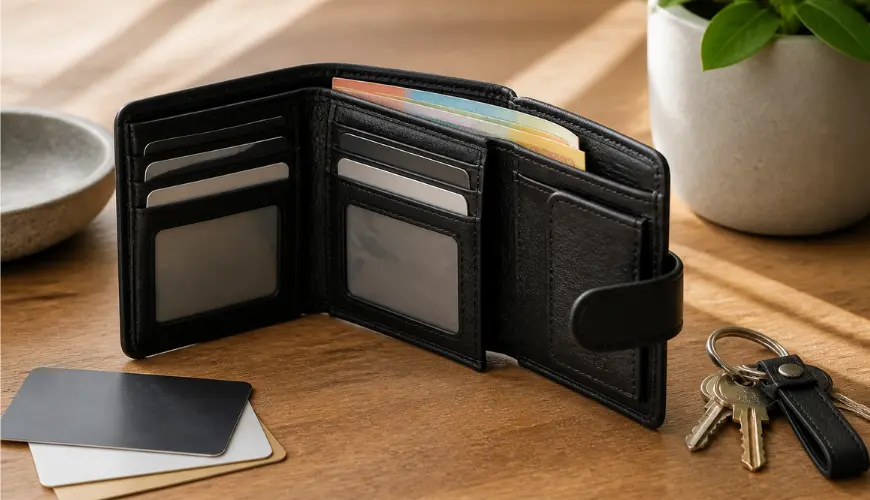
A trifold wallet has three main sections that fold inward. A bifold wallet folds once in the centre, while a trifold folds twice. This gives the wallet more internal space without making it much wider from side to side.
The design helps separate cards, cash and identification into different areas. Instead of stacking everything into one crowded pocket, a trifold spreads your everyday items across several compartments.
This layout is useful if you carry multiple payment cards, a licence, work ID, transport card, loyalty cards, receipts or folded notes. The extra fold also keeps the wallet closed and helps stop contents from sitting exposed.
Most men's trifold wallets are built around storage and access. The exact layout changes by model, but quality designs usually include a mix of card slots, cash sections and hidden compartments.
Common features include:
These features make trifold wallets practical for office workers, commuters, students, travellers and anyone who carries more than a few essentials.
Australian shoppers can find trifold wallets in synthetic materials, canvas blends and leather. Leather remains one of the most popular choices because it balances durability, structure and everyday style.
A men's trifold leather wallet can hold its shape well when it is made properly and not overfilled. Full-grain and top-grain leather are often used in higher-end wallets because they are durable and age well. Genuine leather is also common for buyers who want a practical leather wallet without moving into luxury pricing.
Synthetic wallets are usually cheaper, but they may not give the same long-term feel or wear pattern. If the wallet is used every day, material quality matters.
The main reason people choose a trifold wallet is storage. Many Australians carry more than just a bank card and licence. A normal day might involve payment cards, a Medicare card, a driver's licence, a work pass, a transport card, receipts and some cash.
A trifold wallet gives those items a clearer place to go. Instead of overloading a slim wallet, the extra sections help keep everything easier to find.
This is especially useful for people who move between work, commuting, errands and travel. If you regularly search through a messy wallet, a trifold can make daily carry feel more controlled.
A trifold is not the thinnest wallet style. But it is still compact compared with carrying a large organiser or second card holder. The value is in how much it can hold for its footprint.
The triple-fold structure keeps cards and notes contained while giving you more sections than a standard bifold. This works well for people who carry a wallet in a jacket, work bag, backpack or larger pocket.
If you want one wallet for cards, cash, receipts and ID, a trifold usually does that better than a minimalist wallet.
Trifold wallets also have a more enclosed design. Because the wallet folds inward, cards and notes are less exposed than they can be in some open card holders or loose pocket setups.
Many modern leather wallets also include RFID-blocking protection. This can help reduce the risk of unauthorised electronic scanning of compatible contactless cards. It is a useful feature for commuters, travellers and people who use tap-and-pay cards often.
RFID protection should not be treated as the only reason to buy a wallet, but it can be a practical extra when the wallet already suits your storage needs.
Trifold wallets suit people who carry more because of work, travel or habit. They are not only for one type of buyer.
They can work well for:
The common thread is simple: a trifold wallet is for someone who wants more storage without splitting their everyday carry across multiple places.
If you carry several cards, cash, ID and receipts, start with Leatherland's tri-fold wallets. They are built for buyers who want more organisation in one wallet.
If pocket bulk is your main concern, compare them with bifold wallets or men's slim wallets. If card security matters, also view RFID wallets.
Most shoppers compare trifold and bifold wallets before buying. Both can be good choices, but they suit different carrying habits.
| Feature | Trifold wallet | Bifold wallet |
|---|---|---|
| Best for | More cards, IDs, notes and receipts | Simpler everyday carry |
| Thickness | Usually thicker when filled | Usually slimmer and flatter |
| Organisation | More compartments and separation | Simple layout with fewer sections |
| Pocket comfort | Better in jackets, bags or larger pockets | Better for slimmer pocket carry |
| Ideal buyer | Someone who carries more | Someone who carries only essentials |
The biggest difference is thickness. A trifold wallet folds into three sections, so it naturally becomes thicker than a bifold when filled. If you carry it in tight jeans, that can be noticeable.
A bifold wallet usually sits flatter. This makes it better for buyers who want a cleaner pocket profile or who carry only a few cards and some cash.
But the extra thickness of a trifold is not wasted space. It usually gives you more card slots, more separation and better storage. The question is whether you need that extra function.
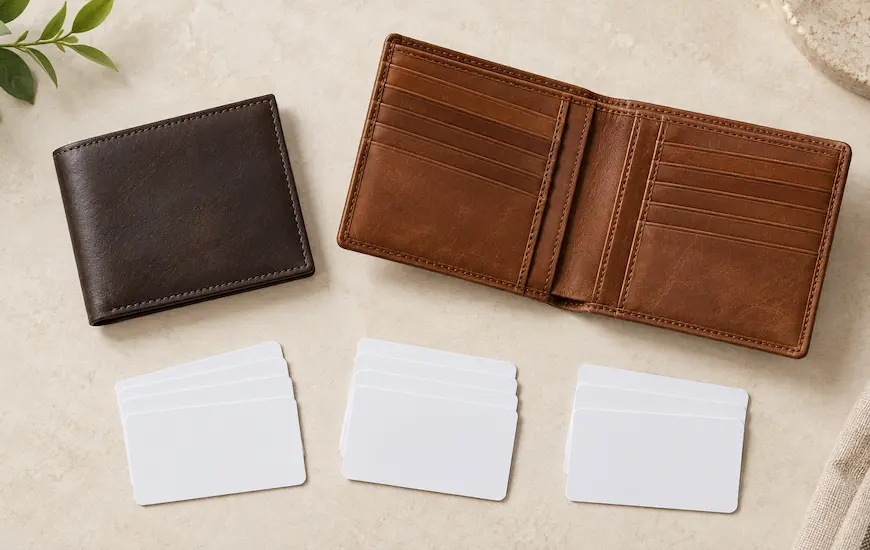
Storage is where trifold wallets usually win. The extra fold allows more card slots, hidden pockets and sections for notes or receipts. This makes a trifold useful if your current wallet is always overfilled.
Bifold wallets are better when you want to carry less. They can become crowded quickly if you try to force too many cards into them.
If your everyday wallet needs to hold cards, ID, cash and receipts, the trifold layout is usually more forgiving.
Comfort depends on where and how you carry your wallet. Front-pocket users often prefer bifold or slim wallets because they sit flatter. People who carry a wallet in a jacket, work bag or back pocket may find a trifold comfortable enough.
Overstuffing is the real problem. Even a well-made trifold can become uncomfortable if it is filled with old receipts, unused cards and coins. Choosing the right capacity and cleaning it out regularly makes a big difference.
Bifold wallets often look more minimal. Trifold wallets look more practical and traditional because they are built around storage.
A leather trifold can still look professional when the finish, stitching and proportions are clean. It suits buyers who want function first, but still want the wallet to look suitable for work, travel and everyday use.
Durability depends more on material and construction than the fold style. A poorly made bifold will still wear out quickly. A well-made trifold can last well if the leather, stitching and fold points are strong.
Because trifolds have more fold points, they should not be overloaded. Too much pressure can stretch leather and strain stitching over time.
Choose a trifold wallet if you carry more cards, IDs, receipts or cash and want better organisation. Choose a bifold wallet if you want a slimmer shape and only carry the basics.
Neither style is automatically better. The better wallet is the one that fits how you actually carry every day.
A leather trifold wallet is built for daily handling. Quality leather can resist wear better than many cheaper materials, especially when the wallet is cleaned and not overfilled.
Leather also develops character over time. Small marks and creases are normal with regular use and can become part of the wallet's look rather than making it feel disposable.
Leather remains popular because it works in most settings. A simple leather wallet can suit work, casual use, travel and gifting without feeling too trend-driven.
For buyers who want a practical wallet that still looks polished, leather is often the safer choice than fabric or synthetic options.
A trifold wallet gives you more places to separate items. Cards can sit in card slots, notes can stay in the cash section, and ID can sit where it is easy to access.
This helps reduce clutter. It also stops important cards from being buried behind old receipts or loose notes.
A cheaper wallet may cost less upfront, but it can lose shape, split or wear out faster with daily use. A quality leather wallet can offer better long-term value if it lasts longer and continues to work properly.
For Leatherland's audience, this is the key point: the wallet should be useful every day, not just look good when new.
The main downside of a trifold wallet is bulk. The extra storage is useful, but it also creates more thickness than a bifold or slim card holder.
This becomes more obvious if you carry the wallet in fitted pants or keep too many old receipts and unused cards inside. If pocket comfort is your top priority, compare the trifold with a slim wallet before buying.
If you only carry two or three cards and rarely use cash, a trifold may be more wallet than you need. A slim bifold, card holder or money clip wallet may feel easier for daily use.
Trifold wallets make the most sense for people who genuinely need the extra compartments.
Any thick wallet carried in a back pocket can create pressure on fabric over time. It can also feel uncomfortable when sitting for long periods.
If this is a concern, carry the wallet in a jacket, work bag or larger pocket. Keeping the wallet organised and not overfilled also helps reduce pressure.
Leather quality has a major impact on how the wallet looks and wears over time. Full-grain leather is often valued for durability and natural texture. Top-grain leather can offer a smoother finish while still being durable. Genuine leather is a common practical option for everyday buyers.
Look beyond the material name. Check the stitching, edges, lining and fold points. A wallet used every day needs more than a nice surface finish.
RFID protection is useful if you want extra protection for compatible contactless cards. It is especially relevant for commuters, travellers and people who keep several tap-and-pay cards in one wallet.
Not every buyer needs RFID protection, but it is a worthwhile feature if you already want a secure everyday wallet.
The right wallet should match what you actually carry. Too little space becomes frustrating. Too much space can encourage overstuffing.
Before buying, count the cards you use weekly. Add your licence, work ID, transport card, cash and any receipts you regularly keep. That will tell you whether a trifold makes sense or whether a slimmer wallet is enough.
Comfort depends on thickness, weight, leather softness and where you carry the wallet. A large wallet may be fine in a bag or jacket but annoying in a tight front pocket.
If you want storage and comfort, choose a trifold with a balanced layout rather than simply choosing the wallet with the most compartments.
A corporate buyer may prefer a clean leather finish with card slots and an ID window. A traveller may care more about RFID protection and secure storage. Someone who works outdoors may care more about durability and easy access.
The best wallet is not always the one with the most features. It is the one that fits your routine without making daily carry harder.
Australian daily life can be hard on wallets. Commuting, heat, work bags, pockets, dust and regular handling all create wear over time.
A durable leather trifold wallet can handle everyday use well when it is made properly and cared for. It suits people who need a wallet for long workdays, commuting, errands and travel.
Heat, moisture and dust can affect leather. This does not mean leather is a poor choice in Australia. It means it should be treated properly.
To protect a leather wallet:
Many buyers are moving toward practical wallets that feel better built and last longer than cheap replacements. Storage, RFID protection, genuine leather and everyday comfort are common decision points.
That supports the ongoing demand for trifold wallets. They are not the most minimal option, but they solve a real problem for people who carry more.
Use a soft dry cloth to wipe the wallet regularly. This helps remove dust, oils and dirt from daily handling.
Avoid harsh cleaning chemicals. They can damage the finish or dry out the leather. If deeper cleaning is needed, use a cleaner made for leather and test carefully first.
Overstuffing is one of the fastest ways to damage a wallet. Too many cards, receipts or coins can stretch leather and place pressure on stitching.
Clean out your wallet often. Keep the cards and documents you actually use, and remove old receipts before they build up.
If the wallet is not being used, store it away from heat, humidity and direct sunlight. A soft pouch or drawer can help protect it from dust and scratches.
Good storage habits help the leather hold its shape and reduce unnecessary wear.
Leather conditioner can help prevent dryness, especially in warmer climates. Use it sparingly and only when suitable for the wallet's leather type.
Too much conditioner can affect the finish, so follow the product instructions and avoid over-applying.
A good wallet brand should make it clear what the wallet is made from, how it is designed, and what features it includes. For a trifold wallet, the most important details are leather type, card capacity, RFID protection, stitching quality and overall size.
Before buying, check:
Leatherland focuses on practical leather wallets for everyday use, including men's wallets, high-capacity options, RFID wallets and tri-fold styles.
Specialist leather stores usually give shoppers more choice across wallet styles, layouts and materials than general fashion stores. That makes it easier to compare trifold, bifold, slim, zip-around and RFID options based on actual use.
This matters because wallet choice is practical. A buyer who carries 10 cards does not need the same wallet as someone who carries two cards and no cash.
If you want a wallet that holds more, start with Leatherland's tri-fold wallet collection. If you are still comparing styles, browse the broader men's leather wallet range and compare by capacity, form factor and RFID protection.
A quality wallet is not just a fashion accessory. It is something you use every day. Choosing the right layout can make cards, cash and ID easier to carry without splitting them across pockets or bags.
For many Australians, trifold wallets are worth it because they offer practical organisation, strong storage capacity and secure everyday carry. They are especially useful if you carry multiple cards, cash, IDs, receipts or work passes.
The downside is bulk. A trifold wallet will usually feel thicker than a bifold or slim wallet, especially when full. If you want the smallest possible carry, a slim wallet may be better.
If organisation and storage matter more than absolute slimness, a men's trifold leather wallet is a sensible everyday choice. The key is choosing one with quality leather, enough capacity, comfortable proportions and features that match how you actually carry.
Trifold wallets are better for people who need extra storage and organisation. Bifold wallets are better for people who prefer slimmer pocket carry and only need space for the basics.
A trifold wallet can feel bulky if it is overfilled with cards, receipts or coins. Choosing a balanced design and cleaning it out regularly helps reduce thickness.
Yes, a well-made leather trifold wallet can be durable for everyday use. Leather quality, stitching, fold construction and proper care all affect how long it lasts.
RFID wallets can be worth buying if you want extra protection for compatible contactless cards. They are especially useful for commuters, travellers and people who carry several payment cards.
Full-grain leather is often valued for durability and natural texture. Top-grain leather can also be a strong option. Genuine leather is common for practical everyday wallets at more accessible prices.
Keep it away from excessive heat and moisture, wipe it with a soft cloth, avoid overstuffing it, and use a suitable leather conditioner occasionally if the leather type allows it.


Add your favourites to cart

Select Afterpay at checkout

Log into or create your Afterpay account, with instant approval decision
Your purchase will be split into 4 payments, payable every 2 weeks
All you need to apply is to have a debit or credit card, to be over 18 years of age, and to be a resident of country offering Afterpay
Late fees and additional eligibility criteria apply. The first payment may be due at the time of purchase
For complete terms visit afterpay.com/terms