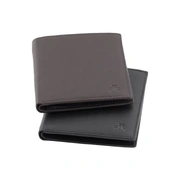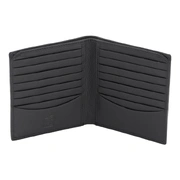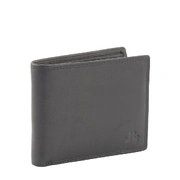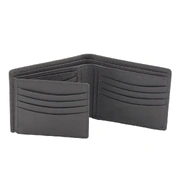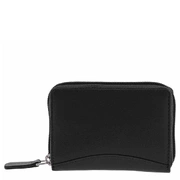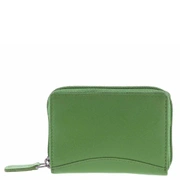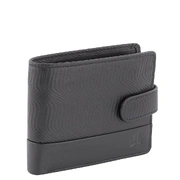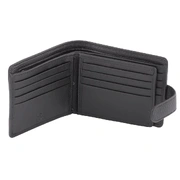

Use the physical card-slot count first, then compare the ID, note, hidden and coin storage. The wallets below have different internal layouts, even when their headline capacity is similar.
| Wallet | Physical card slots | Other storage | Coin section | RFID | Approx. listed closed size |
|---|---|---|---|---|---|
| Bli Bli large RFID wallet (MW-004) | 25 | 1 ID section, 4 hidden compartments, 2 note sections | No | Yes | 12 × 9 × 3.5 cm |
| Officer large bifold RFID wallet (MW-043) | 16 | 2 hidden compartments, 2 note sections | No | Yes | Not supplied in a usable W × H × D format |
| CIDE full-grain RFID wallet (MW-031) | 16 | 2 ID windows, 3 side pockets, 2 note sections | No | Yes | 11.5 × 10 cm; depth not supplied |
| Upscale large capacity RFID wallet (MW-021) | 14 | 1 ID window, 5 hidden pockets, 3 note sections | No | Yes | 12 × 10 × 3 cm |
| Tumut RFID wallet with coin pocket (MW-002) | 12 | 2 ID windows, 2 hidden compartments, 2 note sections | Yes | Yes | 11.5 × 9 × 2.5 cm |
| Husky large RFID wallet with coin section (MW-036) | 11 | 2 ID windows, middle zip pocket, 3 note sections | Yes | Yes | 12 × 9.5 × 3.5 cm |
Comparison method: card-slot counts refer only to purpose-built physical slots found in Leatherland’s audited product copy. Hidden compartments, note sections and ID windows are listed separately. Sizes are approximate closed dimensions from product listings, not new physical measurements. Product details and availability can change, so check the selected product page before ordering.
Start by counting the cards you regularly carry, then choose a wallet with enough dedicated slots for that number. Do not treat a product name such as “15 cards” or “26 cards” as a physical-slot specification. Leatherland's comparison uses the audited number of purpose-built slots so the products can be compared on the same basis.
For the highest slot counts in this comparison, the Bli Bli (MW-004) has 25 physical slots, while the Officer (MW-043) and CIDE (MW-031) each have 16. The Upscale (MW-021) has 14 physical slots plus separate hidden pockets, note sections and an ID window. Compare the other storage fields as well as the headline number, because the internal layouts are different.
The Tumut (MW-002) combines 12 physical card slots with two ID windows and a coin section. The Husky (MW-036) combines 11 physical slots with two ID windows, a coin section and multiple note sections. These are the two coin-storage options in the comparison.
A higher card-slot count is not the only useful measure. Check whether you need a clear ID window, separate note sections, a zipped section or hidden compartments. The table keeps these features separate so you can match the layout to the items you actually carry.
If you carry fewer cards, a large capacity layout may add storage you do not need. Compare the full men’s leather wallet range or browse men’s slim wallets. For broader help with capacity, fold and features, read the men’s leather wallet buying guide.
There is no universal slot threshold. On this page, compare wallets with 11 to 25 verified physical card slots, then check the separate ID, note, hidden and coin storage.
The comparison counts purpose-built physical card slots in audited product copy. Hidden compartments, note sections and ID windows are recorded separately rather than added to the slot total.
Of the six products in this comparison, the Bli Bli large RFID wallet (MW-004) has the highest audited count at 25 physical card slots. Check its product page for current availability.
The Tumut RFID wallet (MW-002) and Husky large RFID wallet (MW-036) have verified coin sections. Their card-slot and other storage layouts differ, so compare the table before choosing.
No. A physical card-slot count records the number of purpose-built slots. It does not claim how many cards can be loaded into each slot or the maximum number the closed wallet can hold.


Add your favourites to cart

Select Afterpay at checkout

Log into or create your Afterpay account, with instant approval decision
Your purchase will be split into 4 payments, payable every 2 weeks
All you need to apply is to have a debit or credit card, to be over 18 years of age, and to be a resident of country offering Afterpay
Late fees and additional eligibility criteria apply. The first payment may be due at the time of purchase
For complete terms visit afterpay.com/terms